
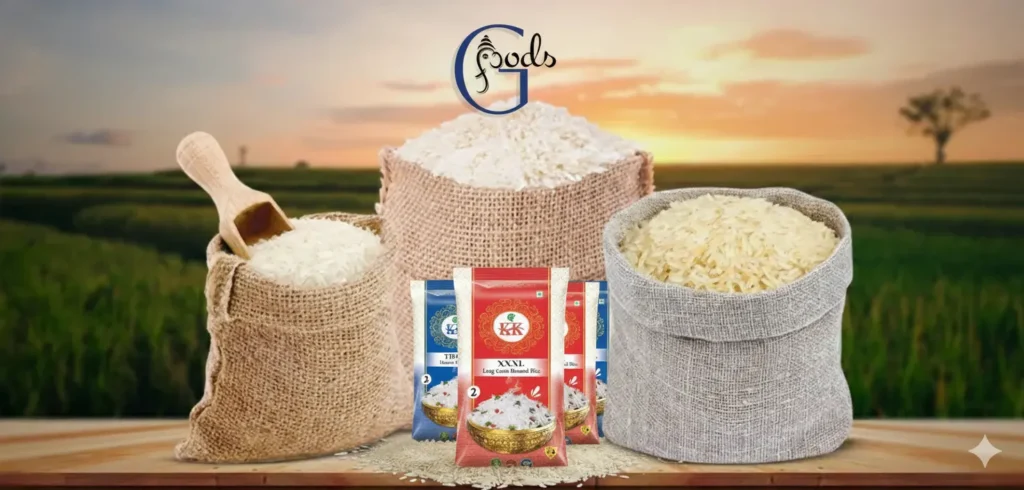
India is the world’s largest producer and exporter of basmati rice, known globally for its long grains, rich aroma, and superior cooking quality. For importers, distributors, and wholesalers, getting import rice from India offers strong commercial potential — provided the process is handled correctly.
This guide outlines the essential steps and considerations when importing basmati rice from India.
1. Identify the Right Basmati Variety
India produces several basmati varieties, each suited for different markets and consumer preferences. Common varieties include:
- 1121 Basmati (longest grain, high elongation)
- Traditional Basmati
- Pusa Basmati
- Steam, Raw, and Sella (Parboiled) variants
Before placing an order to import rice from India, clearly define your market requirements, including grain length, aging preference, moisture level, and cooking performance.
2. Choose a Reliable Exporter
To import rice from India, selecting the right exporter is critical. When evaluating suppliers, consider:
- Annual production capacity
- Quality control processes
- Milling infrastructure
- Consistency across shipments
- Experience in export logistics
- Transparent documentation practices
A dependable exporter like Ganpati Foods should be able to maintain uniform quality across large volumes and meet agreed specifications without deviation.
3. Verify Certifications and Documentation
Export shipments typically require proper documentation, including:
- Commercial Invoice
- Packing List
- Certificate of Origin
- Phytosanitary Certificate
- Fumigation Certificate
- Bill of Lading
- Quality Analysis Report (if required)
Depending on the destination country, additional certifications may be necessary. Always confirm import regulations in your local market before shipment.
4. Discuss Packaging Requirements
Packaging formats vary depending on the market segment. Export packaging may include:
- Bulk bags (20kg–50kg)
- Custom branded retail packs
- Private labelling options
Ensure packaging materials meet food safety and transportation standards, and confirm container loading procedures to avoid damage during transit.
5. Understand Pricing and Payment Terms
Basmati rice pricing depends on factors such as:
- Variety and grade
- Crop quality
- Global demand
- Currency fluctuations
- Shipping costs
Common international payment methods include:
- Letter of Credit (LC)
- Telegraphic Transfer (TT)
- Advance payment terms
Clear agreement on payment structure protects both buyer and exporter.
6. Plan Logistics and Shipping
Most rice exports from India are shipped via sea freight in containers. Lead times vary depending on order volume and processing schedules.
Discuss:
- Estimated production time
- Port of loading
- Shipping timelines
- Incoterms (FOB, CIF, etc.)
Reliable exporters provide clear communication throughout the dispatch process.
7. Maintain Long-Term Supplier Relationships
Consistency is essential in the rice trade. Once you identify a dependable exporter who meets your quality and delivery expectations, building a long-term relationship ensures stable supply, predictable pricing discussions, and smoother transactions.
Conclusion
Doing Import rice from India can be a highly profitable venture when approached with due diligence and proper planning. By selecting a reputable exporter, verifying documentation, defining quality specifications clearly, and maintaining transparent communication, buyers can ensure consistent supply and long-term trade success.
India’s basmati industry combines traditional agricultural expertise with modern milling infrastructure, making it a trusted source for global rice markets.