
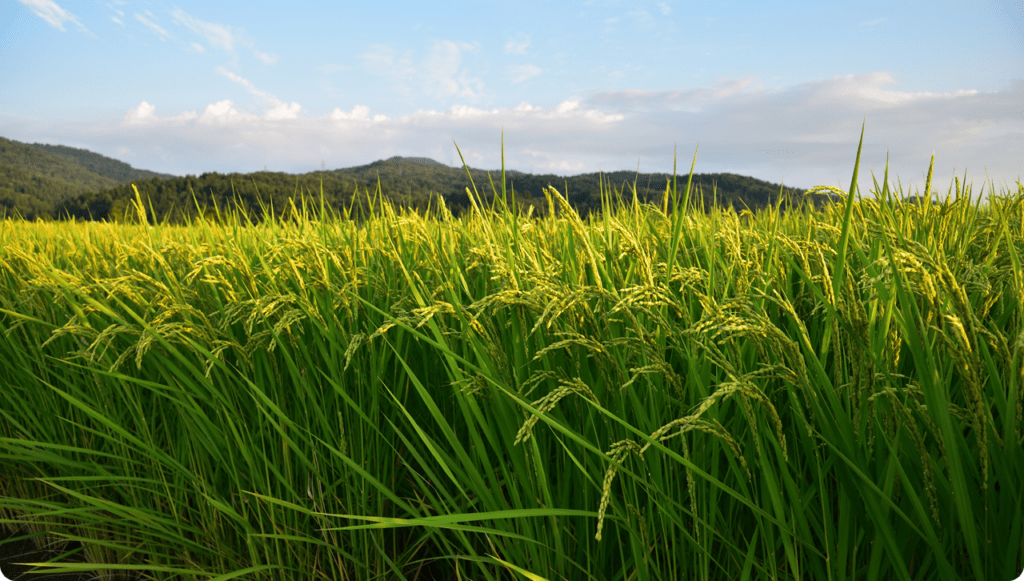
Rice is one of the most important staple foods in the world, but many people are unaware that there are numerous types of rice available in global markets. Different rice grains vary in size, texture, aroma, and cooking performance. Understanding the different types of rice helps buyers, distributors, and consumers choose the right rice for their culinary and commercial needs.
Long Grain Rice
Long grain rice is one of the most widely consumed types of rice worldwide. These rice grains are slender and elongated in shape. When cooked, long grain rice remains light, fluffy, and separate, making it ideal for dishes like biryani, pulao, and international rice-based cuisines.
Among long grain rice varieties, basmati rice is especially valued for its natural fragrance and impressive elongation after cooking. Due to its superior characteristics, basmati rice remains one of the most exported rice grains from India.
Medium Grain Rice
Medium grain rice falls between long and short rice grains in size. This type of rice becomes tender and slightly sticky after cooking. Because of its balanced texture, medium grain rice is commonly used in regional dishes and processed food applications where some cohesion between grains is required.
Understanding this category helps buyers select rice grains that meet specific cooking requirements.
Short Grain Rice
Short grain rice is rounder and more compact compared to other types of rice. These rice grains contain higher starch content, which makes them soft and sticky when cooked. Short grain rice is preferred for recipes that require grains to bind together and maintain shape.
Although not as widely traded internationally as long grain rice, short grain rice plays an important role in certain culinary traditions.
Brown Rice
Brown rice is a whole grain rice that retains its bran layer. Unlike polished white rice grains, brown rice undergoes minimal processing, preserving fiber and nutrients. It has a slightly nutty flavor and a firmer texture.
In recent years, brown rice has gained popularity in health-conscious markets, contributing to increased global demand for different types of rice beyond traditional white rice.
Parboiled (Sella) Rice
Parboiled rice, also known as sella rice, is processed through partial boiling before milling. This strengthens the rice grains and helps retain nutrients. Parboiled rice is known for its firm texture and reduced breakage during milling.
Parboiled basmati rice is especially popular in export markets due to its durability and consistent cooking performance.
Aromatic Rice Varieties
Aromatic rice is a premium category within the broader types of rice. These rice grains are known for their natural fragrance and enhanced cooking qualities. Basmati rice is one of the most recognized aromatic rice varieties globally, prized for its long grains, aroma, and elongation after cooking.
Indian aromatic rice continues to dominate international trade due to its superior quality and global demand.
Conclusion
There are many types of rice available in today’s market, each offering unique characteristics in terms of grain size, texture, and cooking behavior. Whether selecting long grain rice, brown rice, parboiled rice, or aromatic rice grains, understanding these differences ensures better purchasing decisions and improved consumer satisfaction.
As global demand for rice continues to grow, knowledge about different rice grains and their qualities becomes increasingly important for buyers, distributors, and food businesses worldwide.